Herb Notes: The Benefits of Ginger
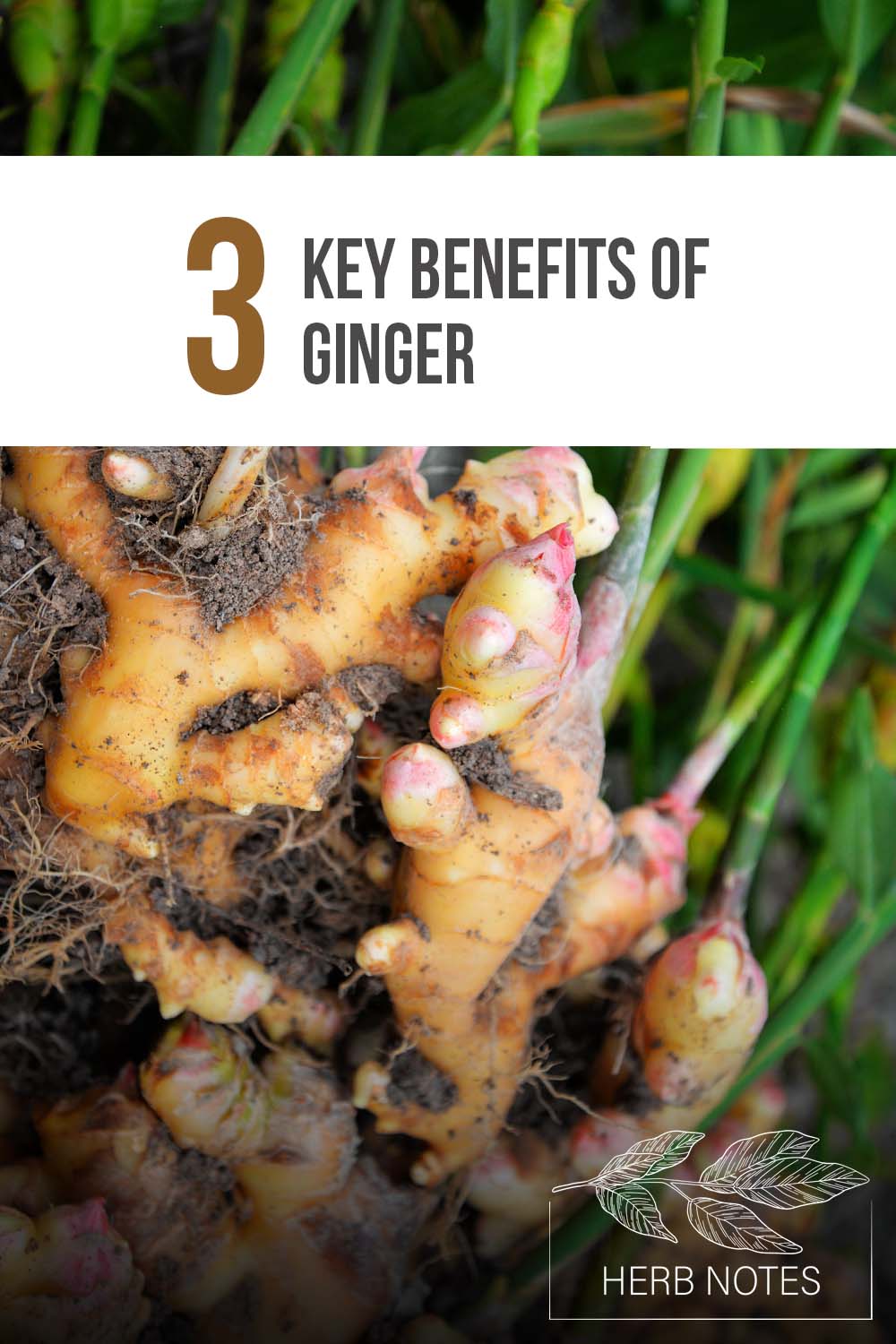
Ginger (Zingiber officinale) is far more than a spicy addition to your meals. This beloved plant has been used for centuries across the world as a powerful herbal remedy. Known for its warming, stimulating nature, ginger is a wonderful ally for bringing energy and circulation back to the body, especially when things feel sluggish or cold.
Let's dive into three gifts of ginger...
1. Ginger for Colds and Flu
When the body feels chilled, or the first signs of a cold appear, ginger is one of the best herbs to turn to. Its warming, stimulating properties help increase circulation and promote gentle sweating, which can support the body’s natural immune defenses.
A hot cup of fresh ginger tea can soothe a sore throat, ease congestion, and help you feel comforted and warm from the inside out. Try simmering a few slices of fresh ginger root in water for 10–15 minutes, then strain and add honey and lemon for an extra boost.
2. Ginger for Healthy Digestion
Ginger is famous for its ability to calm the stomach and ease digestive upset. It’s a go-to herb for nausea, motion sickness, or indigestion after heavy meals. It is also traditionally used to “stoke the digestive fire,” helping the body process food more efficiently and relieve bloating or gas.
A small cup of ginger tea before meals can help awaken the appetite and prepare the body for digestion, while sipping it after eating can help soothe the stomach.
3. Topical Ginger for Pain Relief
Used externally, ginger can help ease sore muscles, joint pain, and stiffness: especially when these symptoms are worsened by cold or damp weather. Its warming nature helps increase blood flow to the affected area, bringing relief and relaxation.
To make a simple compress, simmer grated fresh ginger in water for 10 minutes, soak a cloth in the warm liquid, and apply it to the sore area. Always check the temperature before applying to the skin. You can also make a poultice with fresh ginger by grating about a tablespoon of fresh ginger and applying it to the affected sore or spasming muscle for about 30 minutes at a time.
Ginger Contraindications
Because ginger is very warming and somewhat drying, it may not be a good match for those already showing signs of heat or dryness. It should not be used in large amounts during pregnancy, and those taking blood-thinning medication (blood thinners) should consult with their doctor before consuming large amounts regularly.1
Want to Learn More About Other Common Herbs' Benefits?
Now that you've learned a little bit about the health benefits of ginger, you might be wondering how you can learn more about the medicinal properties of other common plants.
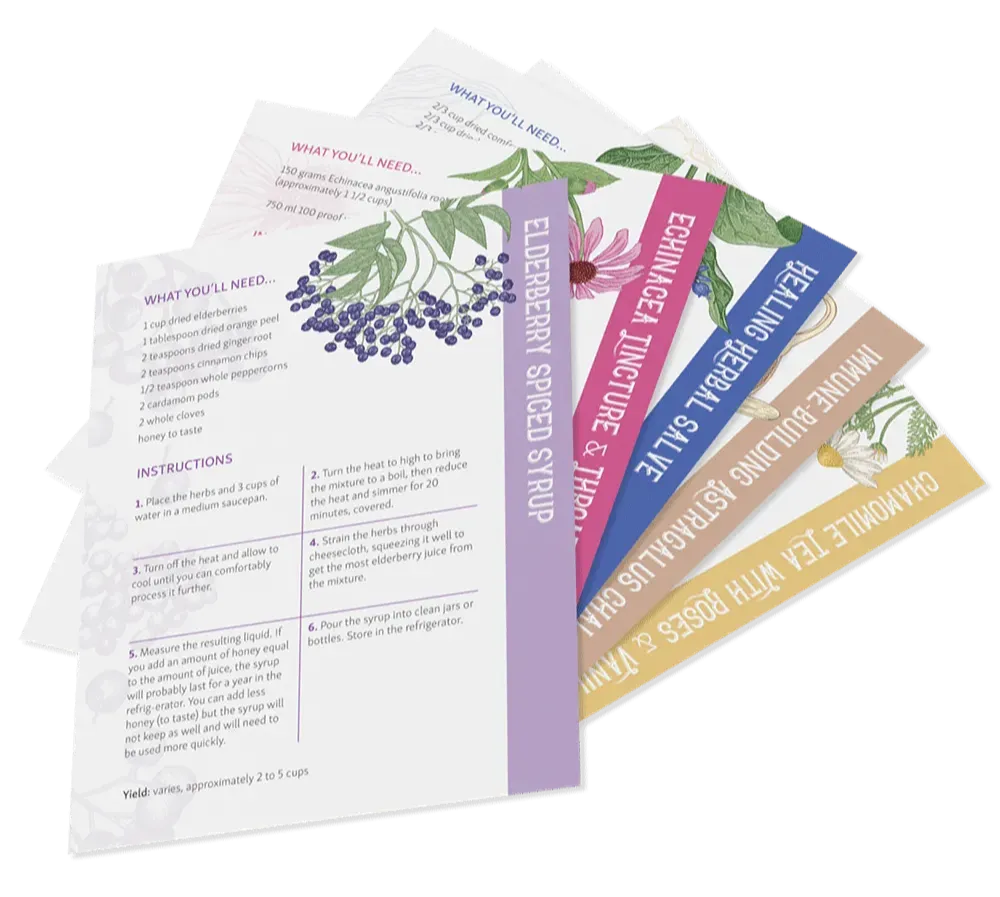
Well, here’s the easy way to get more info about some of our favorite herbs: download a FREE deck of our top 12 Herb Notes here. You’ll learn all about the medicinal properties of common herbs like elderberry, dandelion, and more.
Here are some frequently asked questions about ginger…
What’s the best way to take ginger for colds?
Fresh ginger tea is one of the easiest and most effective ways: grate fresh ginger and place it in a cup of just-boiled water with a spoonful of honey. You could also use dried ginger, including ginger powder, and add some to hot water. For fresh ginger tea or tea with ginger powder, you can use 1 teaspoon per cup of water. You could also work with a ginger extract: either in a syrup, glycerite, or tincture. These ginger extracts also showcase the ginger's gifts for the immune system. Ginger juice is another wonderful way to work with ginger: shots of ginger juice (ginger shots) can offer the antiviral, soothing qualities of ginger.
Can I cook with ginger and still get the benefits?
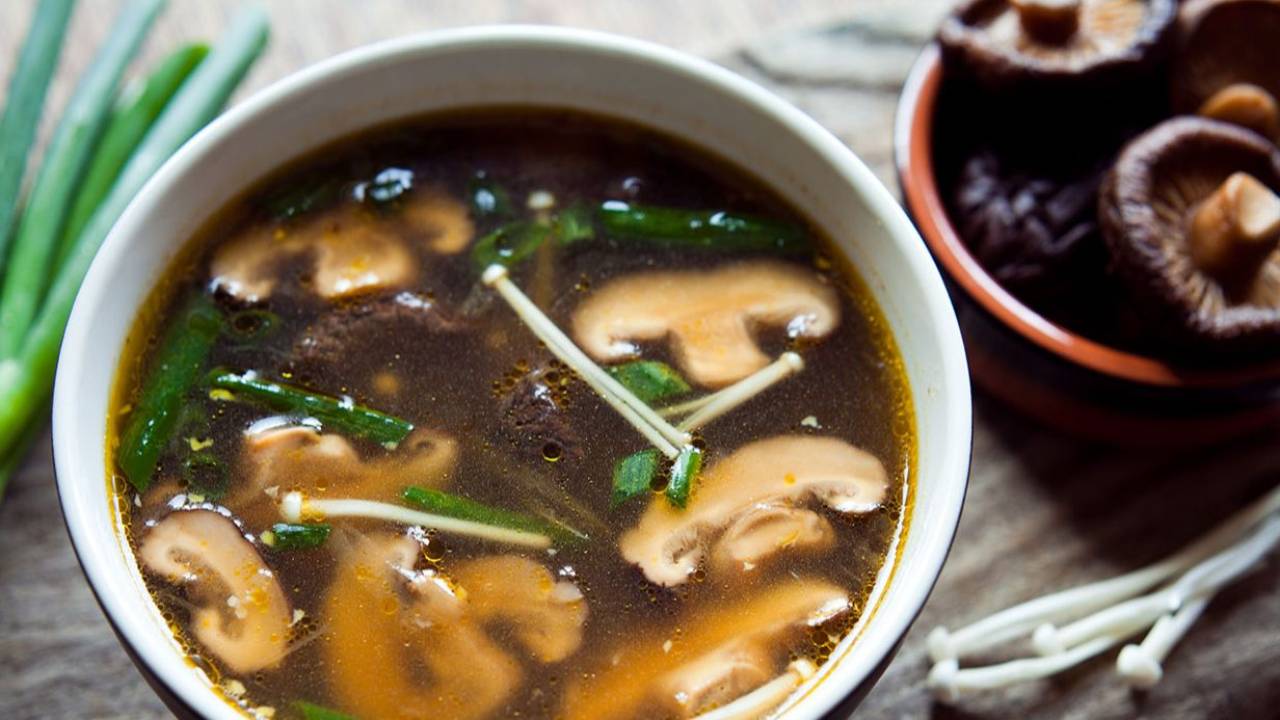
Absolutely. Fresh or dried ginger in soups, stir-fries, or broths helps bring warmth and digestive support to your meals. Pickled ginger is also a delicious way to enjoy the gifts of ginger.
What are the herbal energetics of ginger?
Ginger is warming, stimulating, and slightly drying. It’s best suited for cold, sluggish, or damp conditions and may aggravate heat or dryness if overused.
Should I use fresh or dried ginger?
Both fresh and dried ginger can make for excellent herbal preparations. Fresh ginger is less heating and drying than dried, so this is a particularly great option if you want to experience the gifts of ginger.

Footnotes
The Herbal Remedy Vault has all of our printable recipe cards...